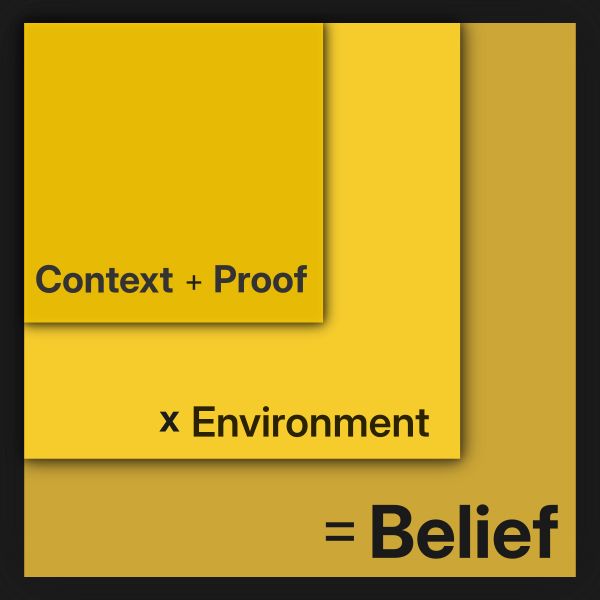
In the last post, I argued that the real output for Presales Engineers (SEs) is belief. But the path SEs take to actually create belief is extremely unusual—and it makes them the most misunderstood role in all of technology.
Here’s why.
The SE as Maker, Seller, Supporter
In a single meeting, SEs move constantly between three distinct modes: maker, seller, and supporter. Below is an interactive graphic that shows how an SE changes modes within a given account or opportunity context (click the radio buttons).
In most companies beyond the startup stage, roles fall neatly into one of these buckets. Engineering makes. Sales sells. Support supports. But SEs live in all three domains, often simultaneously. And it’s not an edge case: It’s the job. This shape-shifting is what makes SEs uniquely valuable, and uniquely overloaded.
Why This Makes SEs So Strategic
SEs sit at the center of the revenue engine. They shift modes based on what the moment demands, all in service of creating and keeping customers. Great SEs make this context switching look effortless. Prospects feel like they’re talking to someone who understands their world deeply and can demonstrate, in real time, exactly how to solve their problem.
But there’s a structural dependency here:
SEs deliver their highest value inside environments.
Demos. POCs. Labs. Integration showcases. Sandbox experiences. Production. These environments aren’t nice-to-haves; they are the crucible where belief is created or lost.
And now they're needed earlier in the buyer journey than ever before.
A New Scale Problem
Let’s recap what we now know:
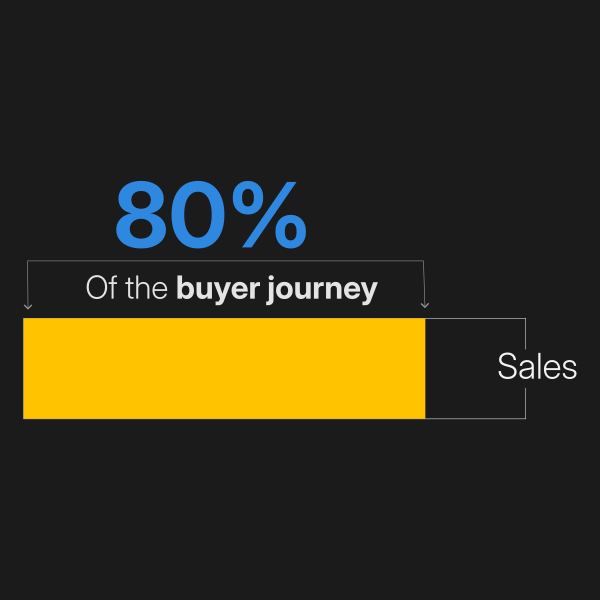
- Buyers are ~80% through their journey before talking to sales
- Sales teams have the remaining ~20% of the buyer’s journey to establish belief
- Belief is created inside environments
- SEs are over-subscribed across AE ratios, tasks, internal projects, and cross-functional requests
The conclusion is straightforward: SEs cannot scale to meet this level of demand, and it’s not fair to expect them to. This is not because SEs lack skill or willingness. It’s because the GTM systems around them were built for a different era when buyers waited for the demo call to form an opinion. That world was rug-pulled by the market years ago, and we're still adjusting to the new reality.
Why Everyone Needs the SE Now
Today, SEs are in unusually high demand across the entire organization:
- They’re not engineering, but they are engineers.
- They understand technology, its constraints, and architecture.
- They sell, consistently and credibly.
- SEs have their finger on the pulse of the market, hearing objections and opportunities before anyone else.
- They’re not support, but they handle support-like needs every day.
- Customers trust SEs as interpreters, advocates, and problem-solvers.
All of this makes SEs the connective tissue between nearly every go-to-market function, and the result is predictable: Every team wants SE time. But more importantly, every team wants SE-driven environments.
Marketing wants interactive sandboxes and technical proof.
Inbound teams want integration showcases.
Sales needs production-like demos and objection-handling scenarios.
POCs need isolated, high-fidelity environments.
Partners need co-sell and enablement labs.
Field teams need portable, authentic demos at events.
Customer enablement needs onboarding environments.
That’s a massive amount of demand. And much of the time, almost all of it bottlenecks on one team.
Where This Leads
When demand for environments accelerates faster than SE capacity, organizations implement temporary workarounds, shortcuts, and manual overrides. These feel practical in the moment but create long-term fragility. In turn, this creates cost and inefficiencies that build over time.
In the next post, we’ll unpack what happens inside companies when SE demand outpaces GTM infrastructure, and why the fallback patterns that emerge create a compounding operational liability.
Spoiler: it’s bigger than demos. It’s bigger than presales. It’s a system-wide environment problem that accelerates every quarter.